The selling system
Activity→Stage→Probability→Forecast
Organises and measures what the seller does.
Commercial Decision Risk
Organizations keep improving the way they sell, the selling system. The customer still owns the decision. The real commercial challenge is understanding what makes an organization willing—and able—to commit.

Observations from fifty years in commercial work—now being examined through research and developed as a thesis open to challenge.
The starting observation
Sales often reads the result backwards: a win confirms good performance, a loss suggests poor performance, and everything else becomes “no decision.” But an outcome records what happened—not why. Different customer decision mechanisms can produce the same seller result and require entirely different responses.
Inside organizations, goals are set, budgets approved, capacity planned and forecasts believed—while the decision that must validate them still belongs to the customer. That mismatch is where commercial risk accumulates.
The selling system
The customer decision system
The hidden category
The label can conceal materially different points of failure or choice: recognising the condition, deciding whether to act, choosing how to respond, or converting intent into organisational commitment. When these are collapsed into one outcome, the Selling System cannot learn what produced it—and reaches for the same familiar remedies.
An outcome tells us what happened.
Learning begins by asking why.
Decision readiness
Business Risk may create a reason to act. Decision and Fulfilment Risk can still prevent commitment. CDR treats them as analytically distinct—not as a checklist or a process the seller can own.
Business risk
Problema—not merely pain—is the condition, constraint or possibility that may create a reason to act.
Decision risk
The priorities, governance, exposure and personal consequences behind organisational consent.
Fulfilment risk
The capability, dependencies, resilience, adoption and governance required after signature.
A proposition under examination
Decision viability rises when perceived risk of staying > decision risk + fulfilment risk
This expresses a relationship to investigate. It is not a score, forecast or claim that organisational decisions can be calculated.
Beyond the signature
Supplier revenue and buyer value are symmetrical: neither is realised by the signature itself. Delivery, adoption, governance, continuity and recovery convert the commercial promise into operating reality.
That is why commercial responsibility cannot end at award—and why fulfilment belongs inside the decision, not after it.
The work
I advise organisations and mentor people carrying real commercial decision responsibility. The work is independent, practical and close to the decision—especially when the commitment is consequential and uncertainty remains unresolved.
01 / Advisory
02 / Mentoring
03 / Research
About Håkan
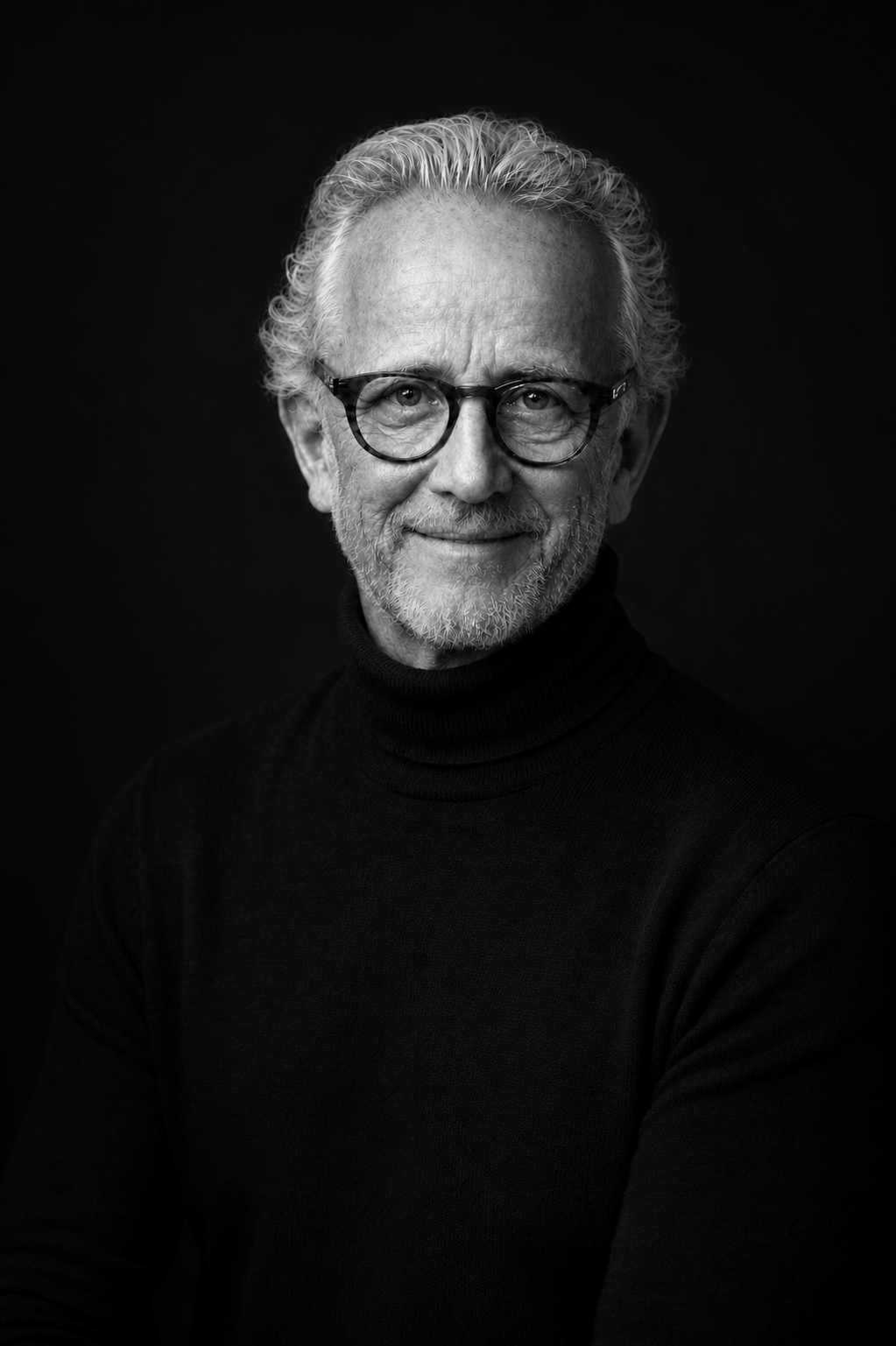
The person you read is the person you work with. I do not sell frameworks or programs; I stay close to consequential decisions while uncertainty remains unresolved.
My perspective comes from both operational sales and commercial leadership—not observation from the sidelines. Since beginning at IBM in 1977, I have worked across sales, marketing, management, transformation and advisory assignments in roughly fifty countries.
The current work brings those observations into a research agenda. It asks how commercial outcomes can be understood without confusing seller performance with customer decision mechanisms; how perceived risk shapes commitment; and how fulfilment converts commitment into buyer value and supplier revenue. These are propositions to test, not conclusions to defend. The thesis comes first. The book may follow when the argument has survived challenge.
Continue the conversation on LinkedIn →A conversation, not a funnel